
How To Use A Rollator
Add a reviewOverview
-
Founded Date June 24, 1907
-
Sectors Scholarships
-
Posted Jobs 0
-
Viewed 29
Company Description
5 Ergonomic Rollator Projects For Any Budget
Understanding Ergonomic Rollators: A Comprehensive Guide
As the population ages, the need for mobility aids ends up being significantly vital. Amongst these aids, the rollator has actually gained popularity for its benefit and assistance. However, not all rollators are created equivalent. Enter the ergonomic rollator, a particularly developed gadget focused on boosting user convenience and mobility. This short article explores the features, benefits, and considerations of ergonomic rollators while offering insights into their growing importance in senior health and health.
What is an Ergonomic Rollator?
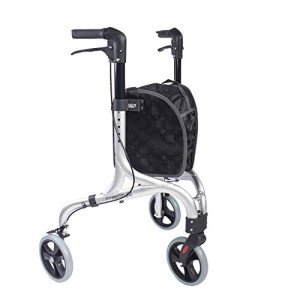
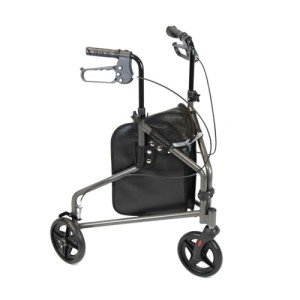
An ergonomic rollator is a mobility aid created to support individuals who might have problem walking or maintaining balance. Unlike standard walkers, rollators come geared up with wheels and brakes, permitting for a smooth transition through different terrains. The ergonomic style concentrates on decreasing pressure on the user’s body, making it a perfect option for those with arthritis, joint problems, or healing from surgical treatment.
Key Features of Ergonomic Rollators
| Function | Description |
|---|---|
| Adjustable Handlebars | These can be tailored to fit the user’s height, ensuring ideal posture and lowering back pressure. |
| Lightweight Frame | Many ergonomic rollators are made from lightweight products, allowing for simple maneuverability. |
| Comfy Seat | A padded seat supplies a space for users to rest when needed, promoting longer use without tiredness. |
| Easy-to-Use Brakes | The brakes are simple to run, boosting safety during use. |
| Foldable Design | Ideal for transportation and storage, ergonomic rollators can be easily folded when not in use. |
| Storage Options | Lots of designs come equipped with baskets or pouches, supplying added convenience for bring individual items. |
Benefits of Using an Ergonomic Rollator
The ergonomic rollator is developed with user functionality in mind. Here are a few of the primary benefits that make it a beneficial option:
-
Enhanced Stability and Support: The structure of ergonomic rollators permits better balance, empowering users to move with confidence.
-
Lowered Physical Strain: With adjustable functions and assistance for much better posture, users can experience less tiredness and discomfort.
-
Increased Independence: By making use of an ergonomic rollator, lots of individuals gain back the ability to carry out daily activities without depending on help.
-
Flexible Usage: Ergonomic rollators can be utilized both inside and outdoors, supplying seamless mobility throughout various environments.
-
Promotes Active Living: Encouraging users to stay active is crucial for general health; rollators use the support needed to check out safely.
Frequently Asked Questions About Ergonomic Rollators
What should I look for when acquiring an ergonomic rollator?
- Think about the weight capability and measurements to guarantee it appropriates for your needs.
- Look for functions like adjustable handlebars and brakes for customized convenience.
- Look for excellent reviews and consider models with guarantees for quality control.
Are ergonomic rollators appropriate for outdoor use?
- Yes, lots of ergonomic rollators are designed with robust wheels and frames, making them perfect for numerous terrains, consisting of pathways and parks.
How do I preserve my ergonomic rollator?
- Routinely inspect the brakes, wheels, and frame for wear.
- Tidy the rollator with a moist fabric; prevent extreme chemicals that can harm its finish.
Can I use my ergonomic rollator for travel?
- Absolutely! Many ergonomic rollators are developed to be lightweight and foldable, making them easy to transportation and store.
Will my insurance coverage cover the expense of an ergonomic rollator?
- Coverage might differ based on your insurance strategy. It is important to consult your provider for particular policies concerning mobility aids.
Factors to consider When Choosing an Ergonomic Rollator
When selecting an ergonomic Active8 Wellness 4-Wheel Rollator Walker – Lightweight & Durable, several essential elements should be taken into account:
- Weight and Portability: Ensure the rollator is easy to raise and transport.
- Height Adjustability: Features need to allow for easy height adjustments based on user comfort.
- Wheel Size: Larger wheels are much better for outdoor use, while smaller sized wheels are typically adequate for indoor environments.
- Storage Capacity: Look for rollators with additional storage alternatives if carrying items is essential.
- Construct Quality: Select a rollator made from durable products that can hold up against everyday wear and tear.
Tips for Safe Use of an Ergonomic Rollator
Using an ergonomic rollator securely is essential for preventing accidents and making sure a smooth mobility experience. Here are some useful tips:
- Proper Setup: Adjust the handlebars to hip level before use for optimum posture.
- Inspect Brakes Before Use: Always ensure the brakes are working correctly before moving.
- Browse Surfaces Carefully: Be mindful on uneven or slippery surfaces, as stability can vary.
- Use the Seat When Needed: If feeling fatigued, make use of the integrated seat for a rest before continuing your journey.
- Practice Turning: When turning, ensure to pivot rather of pulling the rollator along, which can cause imbalance.
Ergonomic rollators represent a substantial development in mobility aids, catering specifically to the requirements of those who need additional support while keeping self-reliance. By understanding the functions, benefits, and appropriate use of ergonomic rollators, users can improve their mobility, enhance their lifestyle, and continue to engage with their environments confidently. As the need for efficient mobility options continues to grow, ergonomic rollators stand apart as exemplary tools for promoting much better health and mobility in elderly people and people with mobility obstacles.